


Free · £0
Sheet 1
Yours, now. One habit, four weeks.
At month's end, scan it for your next sheet.
Change the moment above or your level here, and this sheet follows. Every Say the Price card, every level and every Challenge, to print.
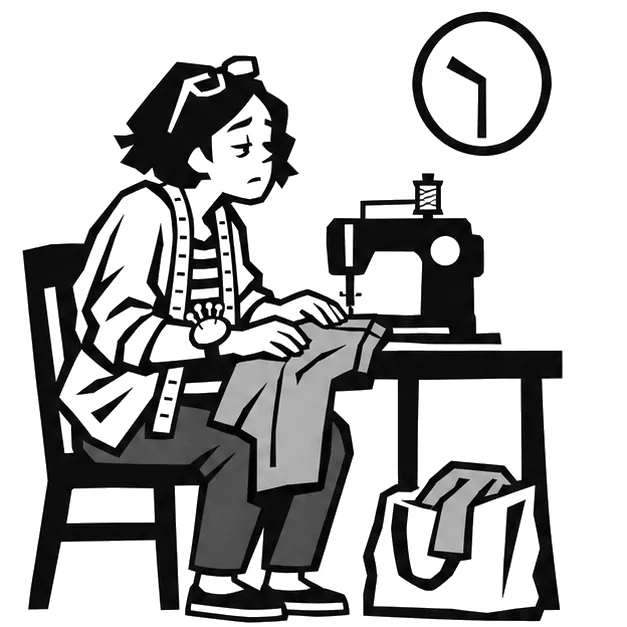
You can take up a hem in twenty minutes. You can't say a price. So it's half past ten, and you're still sewing someone else's trousers.
Say the price before you say yes, to one person. A no still counts. Mark it on a free sheet.
her story
Half past ten at night, still sewing someone else's trousers. The bag had three pairs in it. She never said what it would cost.
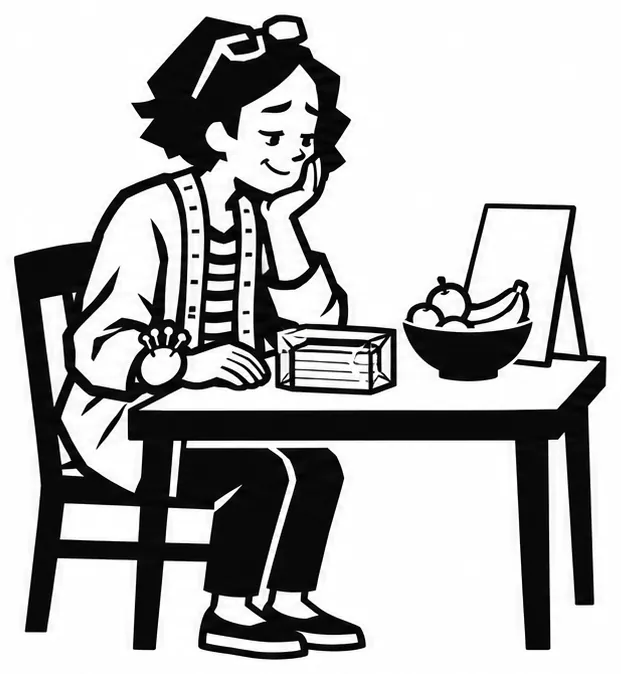
She works on reception at a dentist's. A business name, a logo, a box of cards still in their plastic. A price list behind the fruit bowl. Nobody's seen any of it.
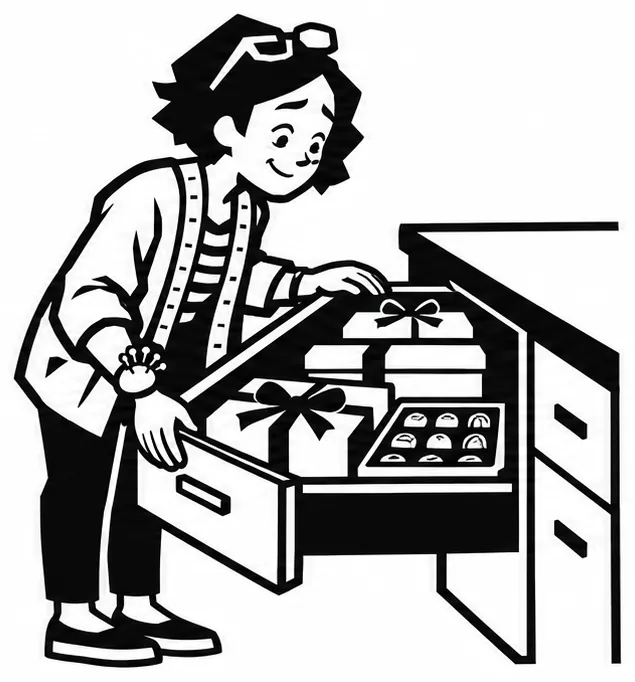
Hems for half the mums at the gate. One price ever said: three pounds, for a coat. Three boxes of thank-you chocolates in the drawer. Then it clicks: not a logo. One price, said out loud.
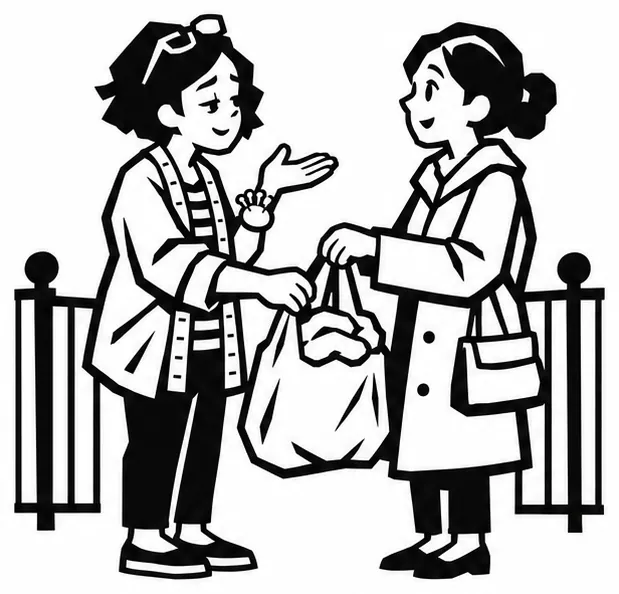
A mum holds out a bag: "could you just take these up?" "Normally twelve pounds a pair. This one's on me." Her ears go hot. She said it.
Your 1s
Getting paid for a skill sounds like a logo, a website and a price list. In practice it breaks into three counts: prices said, one job and one person at a time; asks for a name, to people you've done work for; and agreed jobs handed back on the day you said. A no still counts. Nobody can promise you a customer. You can count what you said and did.
1 price a day
= 104 prices said a year
2 a week × 52 weeks. Arithmetic on your own week, not a promise.
The ways
Each card is one way to do a 1, for whatever you're good at: hems, bikes, dogs. Levels go easy to harder; pick the one that fits the day. Tap one to see how it goes.
Start here
One card. One row. Four weeks. Write what you did in the day's box.
Sheet 1 · weeks 1–4
Say what it would normally cost, even if this one's on you: "normally £12, this one's free."
Price first · tap a day
One mark in the day's box for each price. Blank day? It takes nothing off. The count carries to Sheet 2.
A4 · any pen · no sign-up ·
Only offer work you can do well and safely. A no, a maybe or silence is an answer: one "still want it? fine either way" at most, then leave it. No made-up deadlines, no pressure.
her story
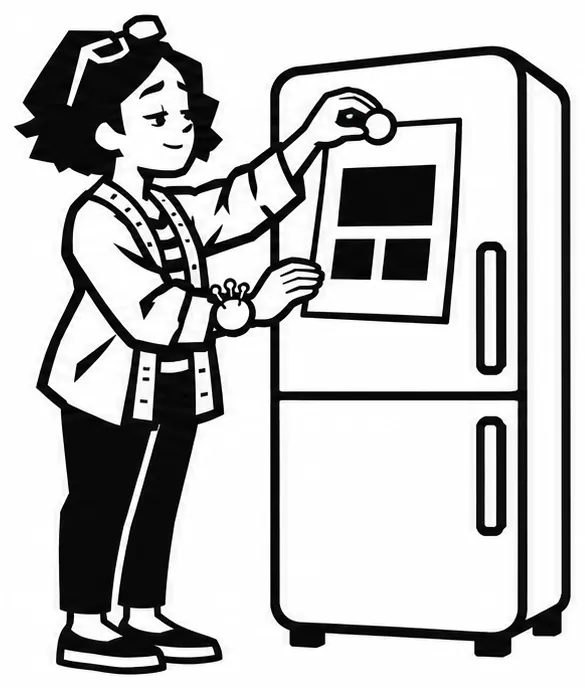
One row: Say the price, at the gate. Forced at first: she says it because the box is empty.
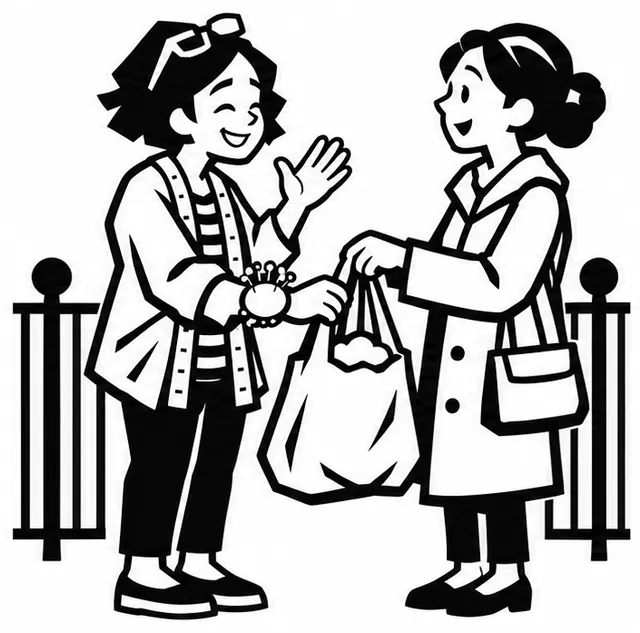
Tuesday she hears herself say "no bother" and takes the bag for nothing, out of habit. The box stays blank. Nothing comes off the sheet.
A bag held out means a price comes first. Two a week. One mum says no thanks and takes her bag home. Still a mark.
PfPrice first new//2a no is still a mark.
Triggers
A trigger is something your day already does. Once your first 1 feels doable, hang it on one: the moment does the remembering.
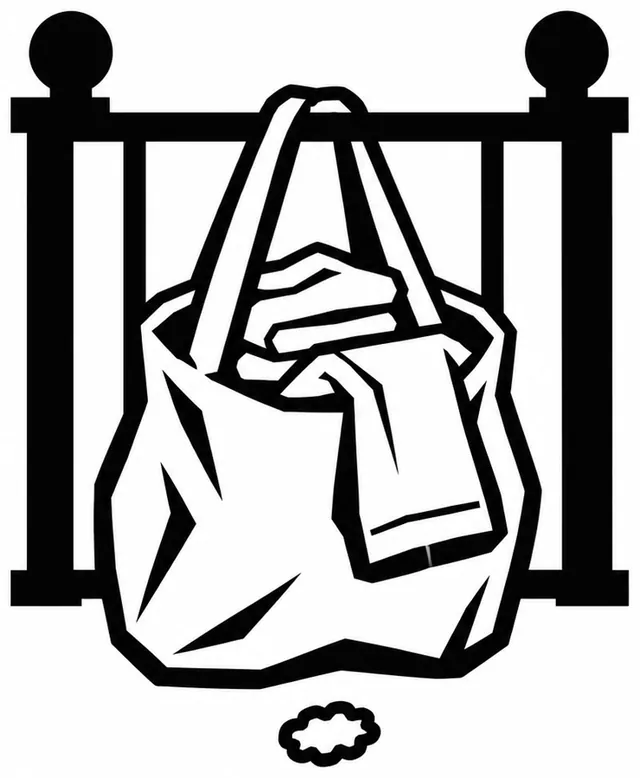
PfHabit cardPrice first · 1 price
Let Sheet 1 hold first. Then hang the same 1 on two or three moments, and add a row for another 1. Tap a day to mark it.
Price firstsomeone hands me a bag and says "could you just…"
said twelve pounds a pair. she said fine. felt sick anyway.
Price first2 triggers · 2 = two 1s that day
Hand it backWhen I'm waiting at the school gate
lunch break, my own phone: a "could you" text. sent the price back.
Price first3 triggers · 2–3 = multi-go days
Hand it backHolding steady
Ask for a nameThird habit joins
"while you're at it, the sleeves?" sleeves are eight. she said fine.
her story

"Could you…" texts used to wait till midnight. Now, on her own phone on her lunch break, the price goes back first.
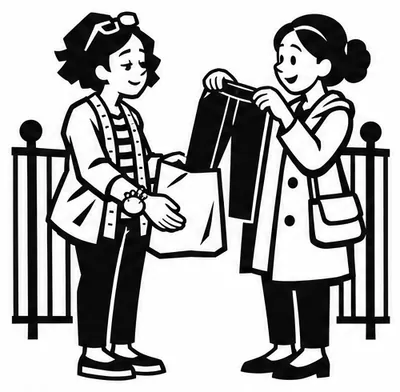
Jobs she priced go back at the gate on the day she said, nothing extra done free. A new row: Handed over. Some weeks it rests.
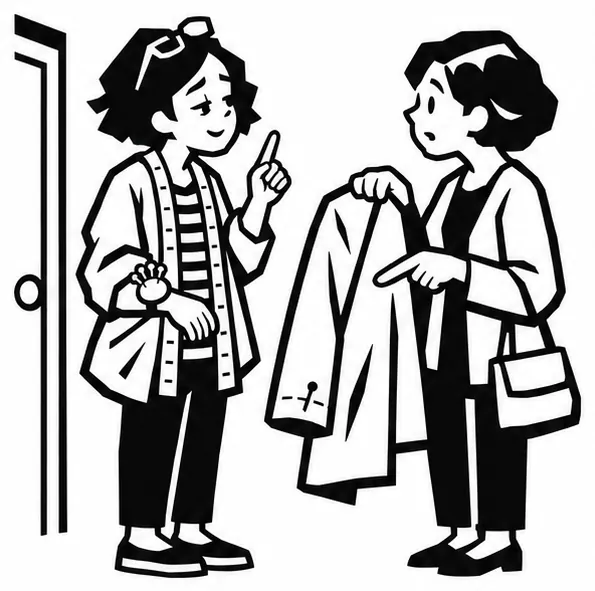
The sleeves too? The extra gets its own price first. Same row. And two mums stop asking for favours. Fair enough. Fewer bags.
PfPrice first///3HbHand it back new/1fewer bags. that's allowed.
Compounding
Keep one price steady on Sheet 1, then hang a price on two more moments your week already has.
Sheet 1 · Weeks 1–4
→1the price, before she takes the bag
Price first · tap a day to mark it
An estimate on her sheet: 2 a week on Sheet 1, adding up to 2 + 1 + 1 a week across 52 weeks, leaving one in seven blank.
Levels
Once a row holds without effort, circle Level 2. Same 1, stepped up inside the cards.
Her Price first row stays in the same place on every sheet — only the circled level moves up.
LV 1Sheets 1–3 · As it comes up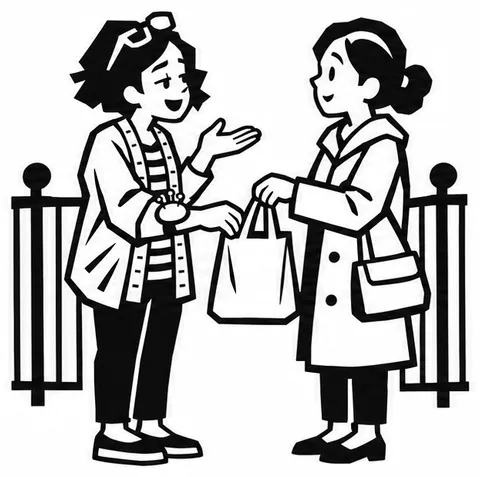
Price firstAs it comes up
LV 2Sheets 4–6 · As it comes up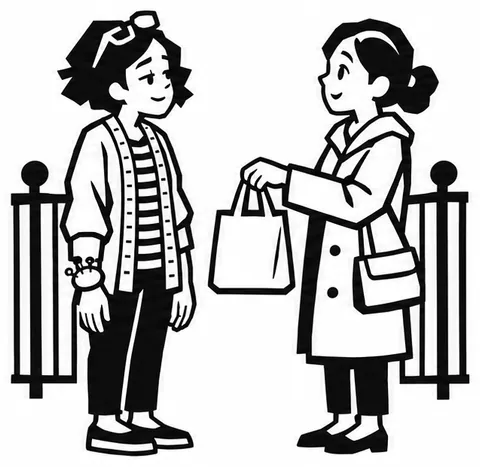
Price firstAs it comes up
LV 3Sheet 7 · As it comes up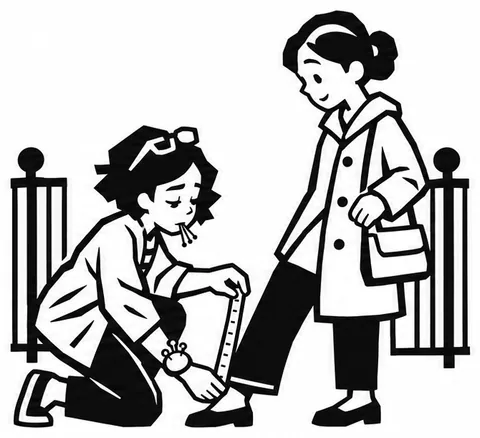
Price firstAs it comes up
More cards · Level packs
Every Foundation card steps up inside its own row. Tap any pack to read its levels side by side.
Move up when one feels ordinary. Rough week? Drop back a level — it's still a 1.
her story
The price on the favour went ordinary, so she's on Level 2: the price and the day, then she waits. No sorry after the number.
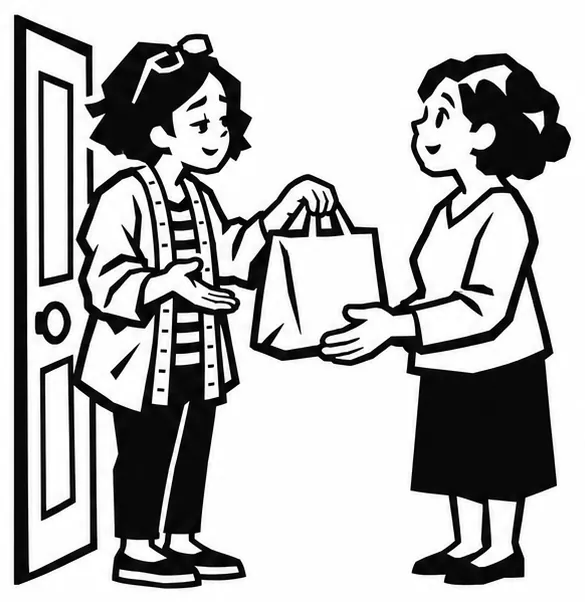
Fewer bags, so at a hand-back, once a week at most, she asks: know anyone who'd want this? If they do, they ask that person first; no name changes hands without a yes. A new row: Asks.
Her son Leo's off sick a week on sheet 5: nothing lost. Level 3: she sees the job (or a photo), then the price, the day, what's not in it. A bad week? Level 1 still counts.
PfPrice first · Lv 3///3HbHand it back/1AnAsk for a name new/1a bad week? level 1 still counts.
The offer
Your first sheet is free. One payment covers every sheet after it, and every set.
Free · £0
Yours, now. One habit, four weeks.
At month's end, scan it for your next sheet.
Change the moment above or your level here, and this sheet follows. Every Say the Price card, every level and every Challenge, to print.
The System
Four habits on one sheet, one from Leave Work at Work. Every number carried, every pile added up.
I built this for myself, to fight off the never-ending sales pitches online. It has one job: making results simple. So this is my one pitch, and it's short.
This is how we grind.
No streak to break. No bad month that wipes the good ones. Every sheet starts where the last one stopped. Small 1s, written down, carried.
Not on sale yet.
One payment. Every set. No subscription.
Challenges
Once your 1s run themselves, pick a bounded Challenge with a name, an end and an honest way out.
her story
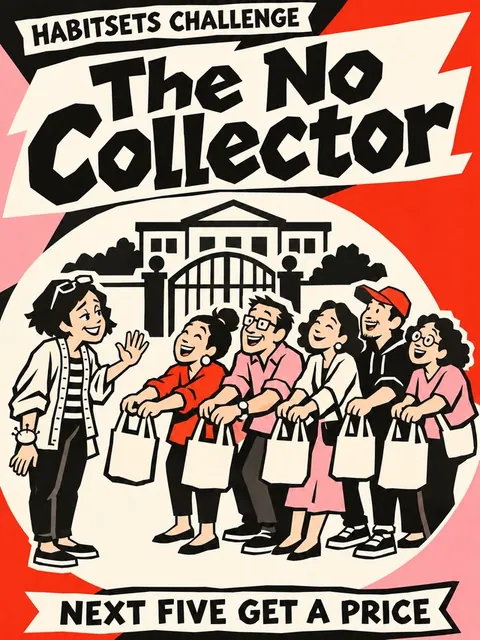
Month seven. The price is ordinary with the mums she knows. New people still make her flinch. The next five who want a hem get a price first.

“Collecting nos. The next five people who want a hem get a price first, any answer. Bets on how many nos?”
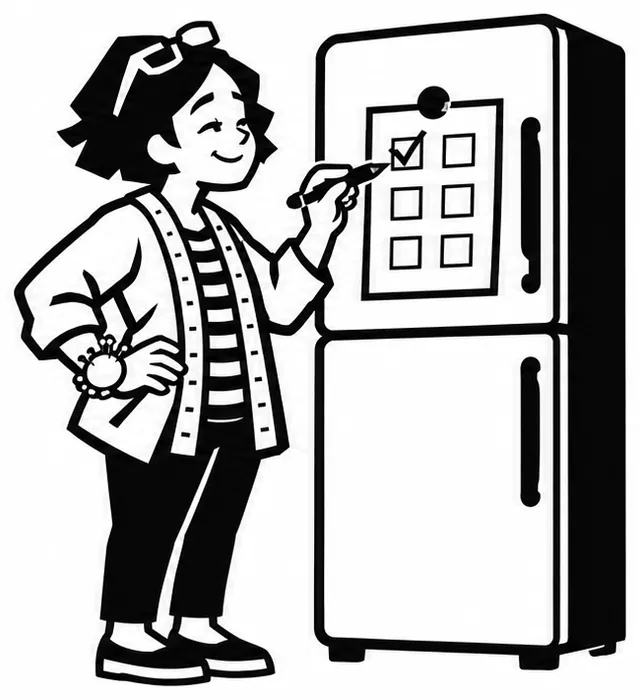
Five prices in twelve days. She didn't count the answers; the sheet doesn't either. Then it's her ordinary rows again.
PfPrice first · Lv 3///3HbHand it back/1AnAsk for a name/1ChallengeThe No CollectorStill just 1s.
Bonus · Extras
Optional side habits with their own count — never on Sheet 1, never added to your 1s. Tap any item to inspect.
Each keeps its own count, never added to your prices, asks or jobs, and no levels. · One at a time, and never on the free sheet: your first sheet is your 1s.
Sheet 1 is free: one card, four weeks, any pen. The System, when it's ready, keeps every sheet after it going, with the levels, the Challenges and the Extras.
One named person at a time: no lists, no group messages, and marketing messages only where the law allows (in the UK, a marketing email or text needs the person's consent first). Never on shift or with your employer's details. Only work you're qualified to do. Charging can change your tax, benefits, insurance or job contract: check first. A no is an answer. This set never counts money and never promises a sale.


 Price first